
What Every California Manufactured Home Seller Needs to Know Before They List
Selling a manufactured home in California is not the same as selling a traditional single-family home. Here is what you need to know about pricing, upgrades, park approvals, and financing.
The Reality of Selling a Manufactured Home
Let's be honest about something right up front. Selling a manufactured home in California is not the same as selling a traditional single-family home. From different community rules to unique financing and specialized buyers, it's a completely different landscape.
I've seen it happen time and time again. Sellers often price their homes too low because they underestimate the true value of their property, or they overprice it because they don't quite understand how a manufactured home appraisal California works. It breaks my heart when good folks leave money on the table or watch a deal fall through because they weren't fully prepared.
Here's what you should know: the sellers who come into this process informed are the ones who close faster and net more money. That's exactly why we created the free CoMoHo Seller Guide, and it's why I want to walk you through the most important things most agents won't tell you.
Maximize Your Sale Price — The Upgrades That Actually Matter
When you're getting ready to list, it's tempting to want to fix everything. But let's break it down: not all improvements are created equal in the manufactured home world.
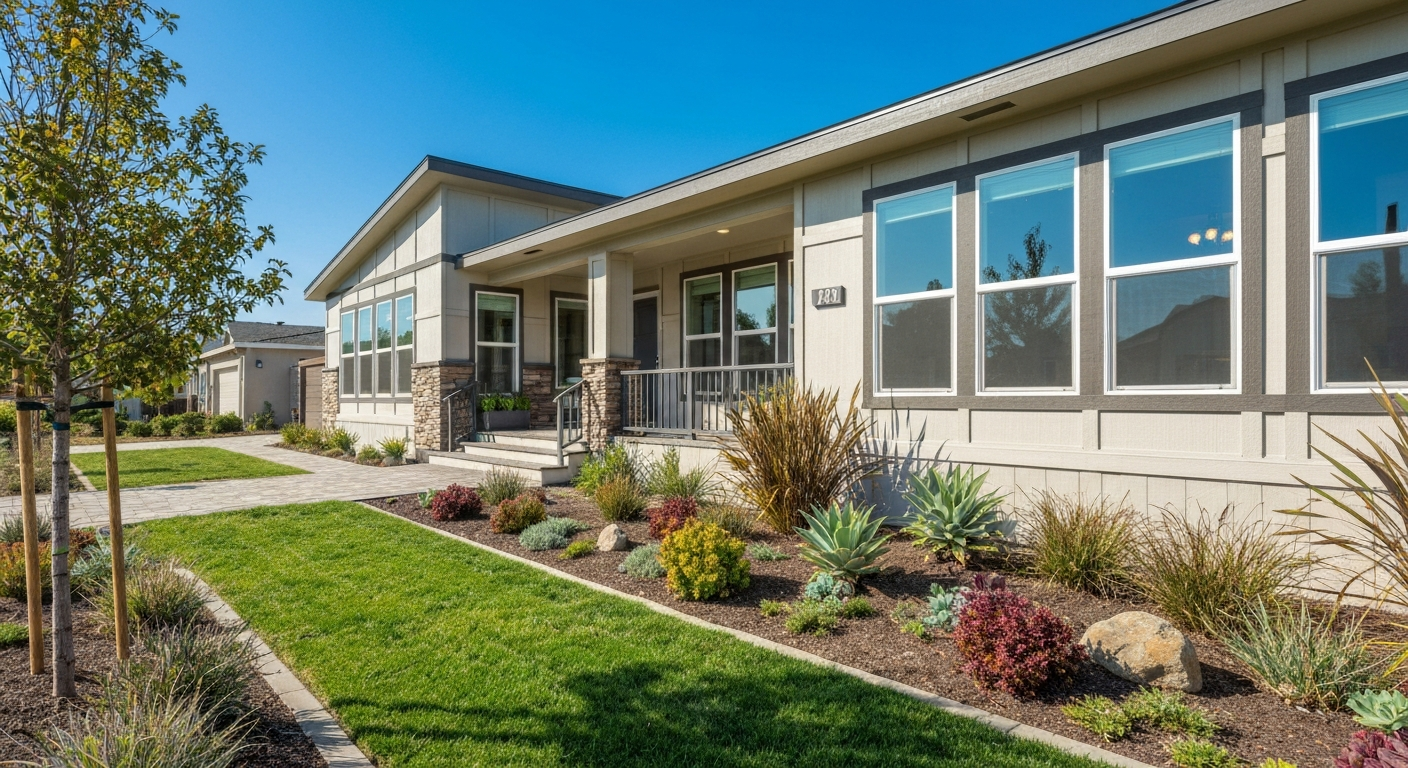
First impressions matter enormously. Curb appeal in a park setting often starts right at the carport or the front steps. A clean exterior, tidy landscaping, and a welcoming entrance go a long way.
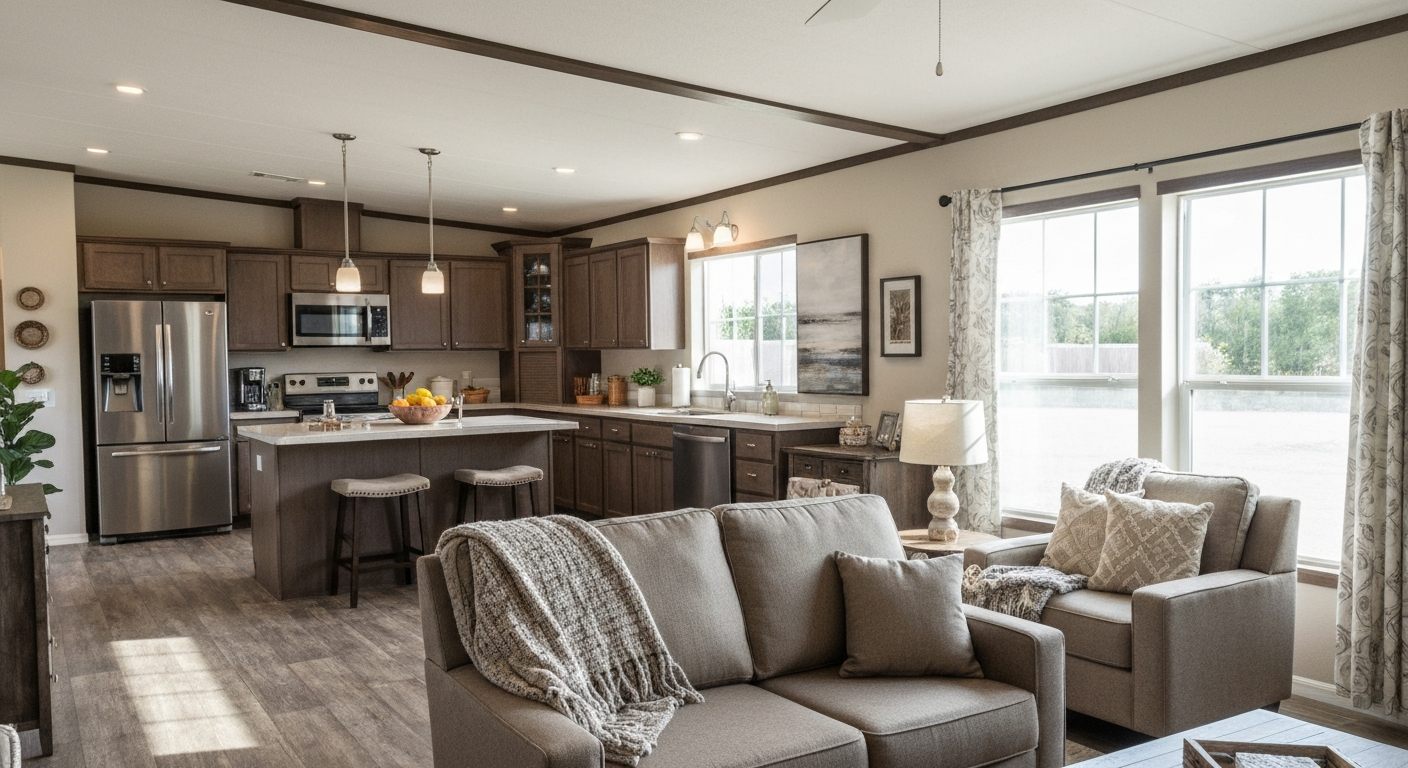
Inside, buyers respond incredibly well to updated flooring, fresh paint in neutral tones, and modernized kitchens and bathrooms. Even small updates — like new cabinet hardware or modern light fixtures — can make a huge difference in how the home feels.
But here's a crucial piece of advice: do not spend money on major structural changes or unpermitted additions. In many cases, these can actually complicate the sale or cause issues with park management and appraisers.
Staging also matters immensely. A decluttered, well-lit, and spotlessly clean home photographs better and feels significantly larger to prospective buyers. I always recommend considering a pre-listing inspection, too. It surfaces those small issues before they become big negotiation points that slow down the deal.
Park Approvals — The Step Most Sellers Don't See Coming
This is the step that truly separates manufactured home specialists from general real estate agents. If you live in a land-lease community, most buyers of in-park manufactured homes must be approved by park management before the sale can close.
You would be shocked at how often this catches sellers off guard and derails a transaction. The manufactured home park approval process usually involves a background check, income verification, and a review of pet and vehicle rules.
It's important to understand how your specific lot lease terms affect buyer options and your pool of qualified buyers. Some parks have strict age requirements (like 55+ communities), while others have specific income-to-rent ratios that buyers must meet.
In my experience, you also need to know if the park has a "right of first refusal" in your lease. Timing the park approval around the transaction timeline is critical to preventing costly delays.
The best thing you can do? Read and understand your existing lease before you list. It empowers you and your agent to market the home to the right buyers from day one.
Avoid the Two Big Mistakes — Financing & Appraisals
This is where deals die when sellers aren't prepared. Let's talk about the two biggest hurdles: financing and appraisals.
Financing: Manufactured homes — especially those in-park on leased land — have a much more limited lender pool. Not every bank will finance them. It's critical that you understand what loan types your buyer can actually use (like chattel loans, FHA Title I or Title II, VA, or conventional loans) before you accept an offer.
Accepting an offer from a buyer whose financing doesn't match the property type is one of the most common pitfalls I see. At CoMoHo, we work closely with Compadre Mortgage to help our sellers understand exactly what buyer financing will work for their specific property.
Appraisals: A manufactured home appraisal in California is highly specialized. A traditional, comp-based appraisal used for site-built homes doesn't always work for in-park homes. Factors like the condition, year built, size, upgrades, and specific park location all carry different weight.
Understanding the approximate value of your home before listing prevents both overpricing and underpricing, and it eliminates nasty surprises when the appraiser's report comes back.
Ready to Take the Next Step?
Knowledge creates confidence, and selling a mobile home in California doesn't have to be overwhelming when you have the right information and the right team in your corner.
If you're thinking about selling, I highly encourage you to download the free California manufactured home seller guide from CoMoHo. It covers everything we've talked about here in even more depth, plus it includes specific checklists for staging, preparing for park approval, and working with the right lender.
And if you'd rather just chat? You can always reach out to us directly for a friendly, no-pressure conversation about your home's value and what it takes to get it ready for the market. We're here to help you navigate every single step.
Have Questions About This Topic?
Rory the Broker is here to provide straight answers and expert guidance for your manufactured home journey.